






Common mistakes when booking rubbish removal in Hampstead
Posted on 25/10/2026
Booking rubbish removal in Hampstead sounds straightforward enough. You find a company, ask for a quote, and get the waste gone. Easy, right? Not always. The small details are where people slip up, and those slips can lead to surprise charges, poor service, or waste being handled badly. In a place like Hampstead, where access can be tight, parking can be awkward, and properties range from basement flats to large period homes, the common mistakes when booking rubbish removal in Hampstead tend to show up quickly.
This guide walks through the mistakes people make most often, why they happen, and how to avoid them without overthinking the whole thing. You will also find a step-by-step booking approach, practical examples, a comparison table, and a checklist you can actually use. No fluff. Just the stuff that helps.
Quick takeaway: the cheapest quote is rarely the best one if it ignores access, waste type, and disposal rules. A good booking is clear, specific, and written around the actual job, not just the postcode.
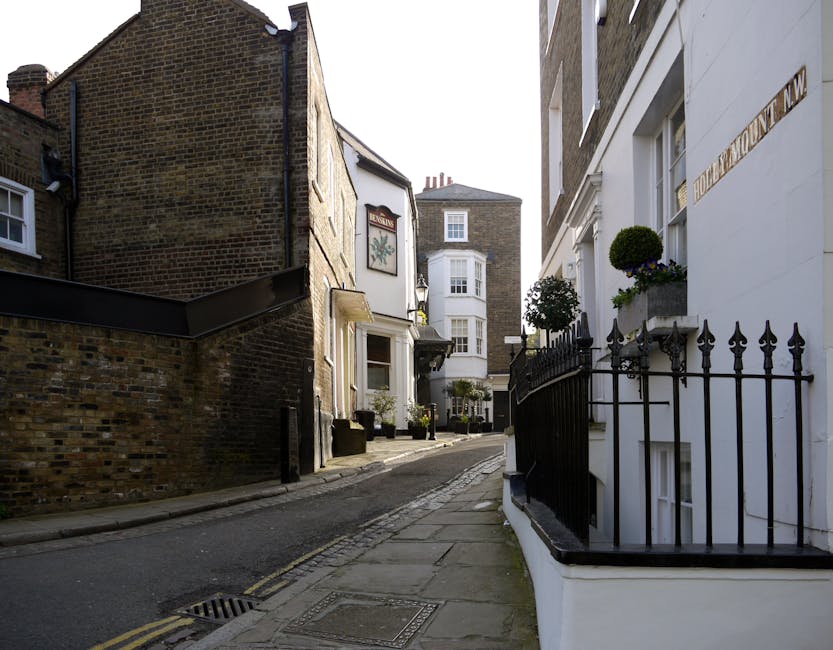
Why Common mistakes when booking rubbish removal in Hampstead Matters
Let's face it: rubbish removal is one of those jobs people want finished yesterday. But the rush to get it done is exactly what causes problems. If you book too quickly, you may not notice that the company has priced only part of the load, or that they assume easy roadside access when your building sits down a narrow street with no space to stop. In Hampstead, those little assumptions can make a simple clear-out feel like a negotiation halfway through the job.
The most common errors usually cost you in one of three ways: money, time, or peace of mind. Money, because hidden extras can appear. Time, because the team arrives and cannot complete the work as expected. Peace of mind, because you are left wondering whether the waste was disposed of properly. That last one matters more than people think. If your waste ends up mishandled, the inconvenience can come back to you in the form of complaints or awkward questions.
There is also a local factor. Hampstead includes dense residential streets, shared access points, and busy commercial pockets, so a one-size-fits-all booking rarely works well. A proper booking should account for load size, access, parking, waste type, and timing. Miss one of those and the whole thing can wobble. Not ideal, obviously.
How Common mistakes when booking rubbish removal in Hampstead Works
Most rubbish removal bookings follow a similar pattern. You describe what needs removing, the provider estimates the job, and then the team collects the waste. Simple in theory. In practice, the quality of that first description shapes everything that follows.
The process usually looks like this:
- You list the items, waste volume, and location of the rubbish.
- The provider gives an estimate based on size, type, access, and labour.
- A collection slot is arranged, sometimes with same-day or next-day availability.
- The team arrives, confirms the load, and removes the waste.
- The waste is sorted for reuse, recycling, or disposal according to the provider's system.
The mistake many people make is treating the quote like a fixed shopping basket. It is not. A quote is often based on the information provided, so if you forget about a broken wardrobe in the loft or a stack of garden waste at the rear of the property, the final price can shift. That is why details matter.
Good rubbish removal companies will usually ask about access, load type, and whether anything needs special handling. If they do not ask, that does not always mean they are bad, but it should prompt you to be a bit more careful. Ask yourself: will a van easily park nearby, or will the team have to carry bags and furniture a long way? Is the waste mixed general rubbish, or does it include bulky items, soil, paint, or construction debris? These are not tiny details. They shape the job.
Key Benefits and Practical Advantages
When a booking is done properly, the benefits are more than just "stuff gone." You get a cleaner space, fewer delays, and a much lower chance of awkward surprises. To be fair, that is what most people want in the first place.
- Clear pricing: A well-described job is easier to quote accurately.
- Smoother collection: The team arrives prepared for the access and waste type.
- Less stress: You are not trying to explain the same pile of rubble twice.
- Better disposal outcomes: The waste can be handled more appropriately when sorted properly.
- More suitable timing: You can choose a slot that fits around work, tenants, or building access.
There is also a practical home-management benefit. A clear booking helps you plan the whole day around the collection, which matters if you are moving house, clearing a rental, or trying to get a renovation back on track. A good collection can make a room look different within minutes. Empty floorboards, clear corners, no damp cardboard smell lingering in the hallway. Small win, but a good one.
If you are comparing providers, pages like the services overview and pricing and quotes information can help you understand what should be included before you book.
Who This Is For and When It Makes Sense
This topic is relevant for anyone arranging waste collection in Hampstead, but it is especially useful if you are booking for the first time or handling a job with a few moving parts. Think of flat owners, tenants, landlords, managing agents, shop owners, contractors, and families doing a long-overdue clear-out.
It makes particular sense when:
- you have bulky items that will not fit in a normal bin collection
- you are clearing a property before sale or let
- you have renovation waste, broken furniture, or garden cuttings
- you need a quick turnaround and want to avoid delays
- the property has awkward access, stairs, shared entrances, or restricted parking
If you are dealing with a shop, cafe, or office, there is often more urgency and a stronger need for tidy timing. A collection arriving at the wrong moment can disrupt staff, customers, or neighbours. That is why commercial customers often need a more exact conversation than domestic customers do.
For larger or more specific jobs, it can help to look at dedicated services such as house clearance in Hampstead, office clearance, builders' waste disposal, or garden waste removal.
Step-by-Step Guidance
If you want to avoid the usual booking mistakes, take the job in order. Not fancy. Just methodical. That alone cuts out a lot of hassle.
1. Identify exactly what needs removing
Start by listing the items, not just the room. "Garage rubbish" is vague. "Two broken bikes, six black bags, a mattress, and dismantled shelves" is useful. The more specific you are, the more reliable the quote becomes.
2. Separate normal waste from special items
General household rubbish is one thing. Construction debris, electrical items, paint tins, and other special materials may need different handling. If you mix everything into one vague description, pricing can become messy fast.
3. Check access carefully
In Hampstead, access can be the difference between a quick job and a slow one. Note staircases, basements, narrow entrances, parking restrictions, and any gate codes or loading limits. If the collection point is not near the road, say so.
4. Ask how the quote works
Is the quote based on volume, weight, labour, or a combination of all three? Does the estimate include loading, disposal, and labour? If something is excluded, ask about it before booking. A quote should feel clear, not slippery.
5. Confirm timing and arrival expectations
Ask whether the slot is a precise time or a wider window. If you need to be out for work, school pick-up, or a contractor appointment, this matters more than people realise.
6. Check payment and cancellation terms
Before you commit, read the terms on deposits, rescheduling, and payment methods. If you want a deeper look at how this is usually handled, the site's payment and security page is a sensible place to start.
7. Ask about disposal and recycling
It is fair to ask what happens to the waste after collection. A responsible provider should be able to explain their approach in plain English. If that answer is vague, take note.
Expert Tips for Better Results
A few small habits make a surprisingly large difference. The best bookings are rarely complicated; they are just prepared.
Tip 1: Take photos before you book. A quick set of photos, ideally in daylight, helps avoid confusion. One wide shot and one closer shot of the pile is often enough. If there is a loft, cellar, or rear garden access point, include that too. Early evening shadows can make things look smaller or larger than they are, so daylight is your friend here.
Tip 2: Mention awkward items first. A sofa is straightforward. A piano, mattress, builder's rubble, or broken appliance is not. Put the awkward thing at the top of the conversation, not the end. That one change saves headaches.
Tip 3: Be honest about volume. People sometimes understate the pile because they want a lower quote. Understandable, but it usually backfires. If the team arrives and finds double the amount, the job may need to be re-priced. No one enjoys that moment.
Tip 4: Think about neighbours. If the collection might involve carrying items through communal hallways or along narrow front steps, let people know in advance where possible. A quiet, tidy pickup tends to go much more smoothly.
Tip 5: Use the provider's process, not your own assumptions. Some people expect a skip-style setup, others expect labour-only removal. Those are different models. If you want clarification on available service types, have a look at the broader rubbish removal in Hampstead page and the waste clearance service.
A little practical honesty goes a long way. Truth be told, half the problems people run into are just the result of everyone assuming the other person "knows what they mean."

Common Mistakes to Avoid
This is the section that saves people the most money. It is also where most of the pain usually sits.
1. Booking on price alone
The cheapest quote can be tempting, especially if the job looks simple. But a low headline price may exclude labour, heavy lifting, disposal, or access challenges. If one company seems much cheaper than the rest, ask why. Sometimes there is a real reason. Sometimes not.
2. Not describing the waste properly
"A bit of rubbish" is not enough. Mixed waste, builders' waste, green waste, furniture, and electrical items are not interchangeable. If you are not specific, the estimate may be too low or too high. Either way, it is avoidable.
3. Forgetting about access issues
Hampstead streets and property layouts can make loading tricky. A narrow stairwell, basement flat, resident-only parking, or a long carry from the entrance can all affect the job. If the provider doesn't know, they cannot plan properly.
4. Assuming everything can go together
That is a common one. People assume household junk, renovation debris, and garden clippings can all be swept into one collection without any change in process. In reality, certain items may need separate handling or additional care.
5. Ignoring cancellation or waiting fees
If your plans are uncertain, check the terms before you book. A missed slot can be irritating, but it can also be expensive if you did not read the small print. Annoying? Yes. Preventable? Also yes.
6. Leaving the booking too late
If you wait until the last minute, you may have fewer time slots, especially during busy periods. This is common around moves, refurbishments, and end-of-tenancy clean-outs. A bit of notice gives you better options.
7. Not asking where the waste goes
You do not need a lecture on waste processing, but you do deserve a clear answer. Responsible disposal matters. If a company is vague about recycling or landfill routes, that should make you pause.
8. Overlooking building or landlord rules
For flats, managed buildings, and rented properties, there may be access rules, loading restrictions, or notice requirements. A quick check can save a lot of awkward back-and-forth later.
9. Not confirming payment details upfront
It is a tiny thing until it is not. Know whether payment is due before, during, or after the collection, and whether card, bank transfer, or another method is accepted.
One small rule of thumb: if a detail affects carrying, loading, sorting, or disposal, mention it before the job is booked. That single habit prevents a lot of grief.
Tools, Resources and Recommendations
You do not need specialist equipment to book rubbish removal well, but a few simple tools help you make better decisions.
- A phone camera: photos make the description much clearer than memory alone.
- A rough item list: write down major items first, then smaller bags or loose waste.
- A tape measure: useful for large furniture, built-in pieces, or awkward access points.
- A note of access details: parking, entry codes, stair count, and possible restrictions.
- A clear time window: useful if the property is shared or staff need to be present.
If you are unsure about the likely scope of the job, the site's clearout cost guide, hidden charges advice, and same-day quote article are useful background reading. They help you understand how jobs are usually priced and where misunderstandings creep in.
For larger specialist jobs, the following pages may also help you frame the booking more accurately: builders' waste disposal, house clearance, and office clearance. If your waste includes outdoor material, see garden waste removal as well.
Law, Compliance, Standards, or Best Practice
Waste removal is not just a convenience service. It also sits inside a framework of disposal duties, care, and good practice. You do not need to become an expert in waste law to book safely, but you should understand the basics.
The first point is simple: do not use a provider who seems careless about legal disposal. If waste is dumped illegally, it can create problems far beyond the original collection. The second point is that responsible companies should be able to explain, in ordinary language, how they handle different waste types and what happens after collection.
As a customer, the safest approach is to:
- describe the waste accurately
- avoid concealing hazardous or awkward items
- ask whether any items need special handling
- keep records of the booking and payment
- choose a provider that is clear about disposal practice
For example, if a job includes items that may need extra care, it is better to mention them early. A pile that includes broken electronics, paint, or mixed renovation waste is not the same as a few black bags and an old chair. Common sense goes a long way here, even if the paperwork feels a bit dull.
The site's pages on insurance and safety, terms and conditions, and recycling and sustainability are also useful if you want to understand the expectations around responsible service.
Options, Methods, or Comparison Table
Different jobs call for different approaches. A quick comparison can help you decide what fits best.
| Option | Best for | Strengths | Watch-outs |
|---|---|---|---|
| Man and van rubbish removal | General clear-outs, mixed household waste, bulky items | Flexible, labour included, often quick to arrange | Price depends heavily on accurate description and access |
| Skip hire | Longer projects, ongoing renovation waste | Useful if waste will build up over time | Requires space and can involve permit considerations |
| Single-item collection | One or two large items | Simple and efficient for small jobs | Not ideal for mixed or growing piles |
| Full clearance service | Flats, houses, offices, end-of-tenancy clear-outs | Comprehensive and less hands-on for the customer | Needs careful briefing to avoid scope confusion |
For many Hampstead households, the practical choice is the one that matches the real job, not the idealised version in your head. A tiny balcony load and a basement full of old furniture are not the same thing. Slightly obvious, yes. Yet that is exactly where people get tripped up.
Case Study or Real-World Example
Here is a realistic example. A couple in Hampstead were clearing a flat after renovation work. They asked for "builder's rubbish" removal and expected a quick collection. On the day, the team found plasterboard offcuts, timber, bags of mixed debris, a broken sofa, and several bags of general rubbish. There was also a narrow stairwell and no available parking directly outside.
Nothing dramatic happened, but the booking had to be adjusted because the original description did not cover the full load. The team still completed the job, but it took longer and required more labour than the customer had first expected. If they had mentioned the mixed waste, the access, and the furniture up front, the conversation would have been simpler and the quote clearer from the start.
Another common real-world scenario is a shop clear-out on a busy road. The owner books a collection without mentioning that the waste needs to be carried through the rear of the building at a specific time because staff are serving customers at the front. That one missing detail can create delays, a bit of stress, and an irritated manager tapping a watch. Not the end of the world, but avoidable.
The lesson is not that people should obsess over every detail. Just the key ones. If you are unsure, write them down and send them before the booking is confirmed. It saves everyone a headache.
Practical Checklist
Use this before you confirm a rubbish removal booking in Hampstead.
- Have I listed all major items and waste types?
- Have I included photos if the pile is awkward or mixed?
- Have I mentioned stairs, basements, gates, parking, or carry distance?
- Do I know whether the quote includes labour, disposal, and loading?
- Have I asked about timing, arrival windows, and any waiting fees?
- Do I know whether the waste includes anything that needs special handling?
- Have I checked payment methods and cancellation terms?
- Do I understand what happens to the waste after collection?
- Have I checked any building, landlord, or access rules that apply?
- Am I comfortable that the quote matches the actual job, not just a rough guess?
If you can tick most of those off, you are in good shape. If not, pause and clarify. Better a five-minute check now than a messy argument later.
Conclusion
The biggest common mistakes when booking rubbish removal in Hampstead are not usually dramatic. They are small oversights: vague descriptions, missed access details, rushing the quote, or assuming every pile of waste works the same way. But those small oversights can make a routine collection awkward, slower, or more expensive than it needs to be.
The good news is that most of them are easy to avoid. Be specific. Ask direct questions. Share photos if the job is complex. And choose a service that gives clear answers rather than vague reassurance. Hampstead has enough moving parts already; your rubbish removal booking should not become one of them.
Get a free quote today and see how much you can save.
Done well, the whole thing becomes simple: the space clears, the stress drops, and you can get on with the rest of your day with a proper sense of relief.



 Tipper Van - Junk Disposal and Rubbish Removal Prices in Hampstead, NW3
 Luton Van - Junk Disposal and Rubbish Removal Prices in Hampstead, NW3