Planning a clearout in NW3 real cost of rubbish removal
Posted on 01/08/2026
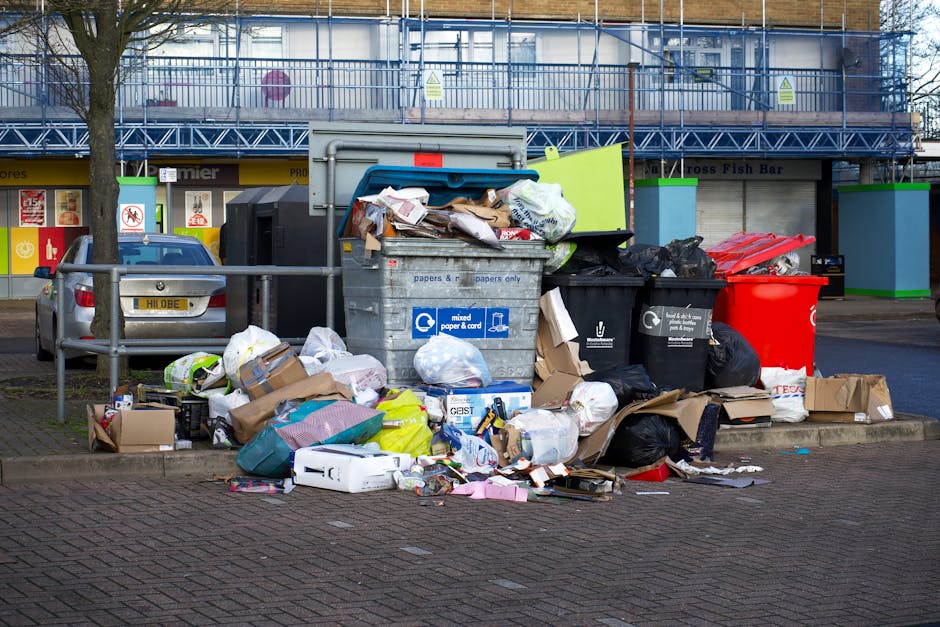
If you are planning a clearout in NW3, the real cost of rubbish removal can feel a bit slippery at first. One quote says one thing, another adds extras, and suddenly you are trying to work out what is actually included. That is exactly why a clear, practical guide matters. Whether you are clearing a flat near the Heath, tidying a basement full of old furniture, or dealing with a small office reset, the price depends on more than just the amount of waste. Access, labour, vehicle size, waste type, and timing all play a part. In this article, we break it down properly so you can budget with confidence and avoid the usual surprises.
To make your decision easier, we will look at how rubbish removal works in NW3, what affects cost, when it makes sense to use a professional team, and how to plan a clearout without overspending. You will also find a checklist, a comparison table, and a realistic example from the sort of jobs people do every day in Hampstead and the surrounding streets.
Why planning a clearout in NW3 and understanding the real cost matters
NW3 is not a one-size-fits-all area. Some homes have narrow staircases and tight front steps. Some streets are simple enough for quick loading, while others need careful parking, a longer carry distance, or more than one person on the job. That means the real cost of rubbish removal can shift quite a bit from one property to another.
And honestly, that is where many people get caught out. They think they are paying for a van and a bit of lifting, but the quote can also reflect access, time on site, sorting, disposal fees, and the kind of waste involved. A mattress is different from mixed household junk. A few garden bags are not the same as a full shed clearance. A boxy pile of cardboard is not the same as broken furniture with heavy wood and metal.
Planning ahead matters because a clearout is rarely just about getting rid of stuff. It is often tied to a move, a renovation, a tenancy change, or a long-delayed reset. If you want the job done smoothly, you need a practical picture of cost before the skip bags start appearing in the hallway. That is why local context matters too. NW3 properties often involve access quirks that are invisible on paper but obvious on the day. You know the sort of thing: the van is nearby, but the old sofa has to come down two flights of stairs and through a shared entrance. Small detail, big effect.
A clear understanding of cost also helps you compare providers fairly. If one quote looks low, check what it excludes. If another looks higher, it may already include labour, loading, and responsible disposal. The cheapest option is not always the cheapest. That line sounds obvious, but people still get bitten by it all the time.
Expert summary: In NW3, rubbish removal pricing is usually shaped by volume, weight, labour, access, waste type, and urgency. A proper quote should make those factors visible rather than hiding them in a vague headline price.
If you want to understand the wider service picture before booking, it can help to review the services overview and the pricing and quotes approach so you can see how a professional clearance job is usually structured.
How rubbish removal pricing works in practice
The real cost of rubbish removal usually comes from a combination of visible and invisible factors. Visible factors are the easy ones: how much stuff you have, what type of waste it is, and how quickly you want it gone. Invisible factors are the ones people forget: carrying items from upstairs, dealing with restricted access, loading time, and whether the waste needs careful sorting.
In practical terms, many clearouts are priced by load size or by the amount of space taken in the vehicle. That is why a half-full van is cheaper than a full one. Some jobs are also priced partly by labour, especially where the team needs to remove items from lofts, basements, garages, or back gardens. If you have ever tried to get an old wardrobe down a narrow stairwell, you will know this is not exactly a casual stroll.
Waste type matters too. Household clutter, green waste, builders' rubble, office items, and bulky furniture all behave differently from a disposal point of view. Heavier or more awkward materials may cost more because they are slower to handle or require different disposal routes. Mixed loads can also take longer to sort, which is one reason it helps to separate recyclables from general rubbish beforehand.
Then there is timing. A same-day collection can be convenient, but convenience often comes with a premium. If you are flexible, you may be able to save by booking ahead. If you are working around a tenancy deadline or an estate agent visit, though, speed can be worth every penny. To be fair, that is often the point of paying for the service in the first place: time saved, stress reduced, problem solved.
For a local example of how same-day work is presented and planned, the article on affordable NW3 same-day quotes is a useful companion read.
Key benefits and practical advantages
When the clearout is done well, the gains are bigger than just an empty room. People usually notice three things straight away: less clutter, less stress, and more usable space. A spare room becomes a workspace again. A hallway stops feeling like storage. A shop back room becomes workable instead of chaotic.
There is also a real planning benefit. Once you understand the likely cost of rubbish removal, you can decide whether to clear everything at once or split the job into stages. That flexibility matters. Sometimes a phased approach is cheaper because you can sort items beforehand. Sometimes a single collection is better because you avoid repeated disruption.
Another practical advantage is reduced risk. Moving heavy or awkward items yourself can lead to knocks, scratches, strained backs, and the classic British phrase "I'll just slide it a bit" followed by a thud. A good clearance team reduces that risk because they arrive with the right lifting approach, protective handling, and a process for loading safely.
There is a sustainability angle too. Responsible providers separate reusable and recyclable items where possible, which can help keep more material out of landfill. If that matters to you, it should be part of the conversation before the job starts. A clearout does not have to mean careless disposal. In fact, it really should not.
You can read more about responsible handling through the page on recycling and sustainability, and if you want to understand the company's background before you book, the about us page is worth a look.
Who this is for and when it makes sense
This kind of rubbish removal planning is useful for a lot of people, not just those doing a dramatic declutter. In NW3, it often makes sense for:
- homeowners clearing lofts, garages, sheds, or spare rooms
- tenants preparing to move out and needing a quick final sweep
- landlords between occupancies
- estate agents arranging pre-sale or pre-let clearouts
- small businesses removing old desks, packaging, or shop fixtures
- contractors dealing with builders' waste after a project
- garden owners with hedge cuttings, branches, and old outdoor items
It also makes sense when you have a deadline. A clearout before a sale viewings day. A one-off purge before a renovation. A post-refurb tidy after the dust settles. Those moments are common, and the timing pressure can make a messy space feel even messier. Truth be told, clutter always seems to breed faster when you are busy.
If the job is commercial, there are slightly different concerns. Businesses often need to minimise downtime, avoid blocked access, and keep common areas tidy for staff or customers. That is why office and shop clearances tend to benefit from a more structured plan. For more specific use cases, see the pages on office clearance and builders' waste disposal.
Step-by-step guidance
If you want a cleaner estimate and a smoother job, the best thing you can do is plan in a simple order. Nothing fancy. Just a sensible sequence that keeps the work manageable.
- Walk through the space
Take a full look at what you want removed. Be honest. If there is a cupboard full of "I'll sort that later" items, include it now. - Separate the waste into rough groups
For example: furniture, mixed household waste, garden waste, cardboard, or renovation debris. This helps the quote become more accurate. - Check access
Think about stairs, parking, gated entrances, lifts, basement steps, and how far items need to be carried. Access can change the job more than people expect. - Identify anything awkward or hazardous
Batteries, paint, solvents, sharp items, or electricals may need special handling. Flag them early. - Ask for a clear quote breakdown
Find out whether the price includes labour, loading, disposal, congestion or parking considerations, and VAT where applicable. - Set a time that fits the property
Choose a slot that avoids neighbour disruption, school-run pressure, or delivery chaos. NW3 streets can get busy fast. - Prepare the items
Bag loose waste, stack similar items together, and keep walkways open. A tidy set-up usually speeds everything up. - Confirm payment and collection details
Check how payment works, what happens if the load changes, and whether there are any minimum charges or cancellation terms.
The most underrated step? Preparation. A little sorting before collection day can save both time and money. Not always, but often enough that it is worth the effort.
Expert tips for better results
Here is the part where a few local habits make a real difference. First, get photos ready before you request a quote. Good photos are not about perfection; they are about clarity. Wide shots and a few close-ups help a provider judge volume, access, and waste type without guessing. Guessing is where awkward price changes creep in.
Second, be specific about the awkward bits. If there is a broken wardrobe in the attic and a pile of damp cardboard in the garden, say so. If there is a lift but it is tiny, mention that too. These details matter. They are not "extras" in a vague sense; they are the actual job.
Third, consider whether you can combine jobs. If you are clearing the house and the garage at the same time, it may be more efficient than booking separate visits. But only if the space is ready. Otherwise, it turns into a treasure hunt, and nobody enjoys that on a Tuesday morning.
Fourth, think about the final destination of the items. If anything can be reused, donated, or recycled, set it aside. Even a small difference in sorting can improve the environmental outcome. A lot of people like to say they want a "clearout", but what they really want is a fresh start. That starts with a bit of thought, not just a van.
Finally, check whether the provider is clear on insurance, safety, and handling. If the job is in a tight stairwell or around shared communal areas, reassurance matters. You can read more about that in the insurance and safety section. It is the kind of page people skip right up until they really, really want to know what happens if something gets scuffed.

Common mistakes to avoid
Most budget surprises come from the same handful of mistakes. The first is underestimating volume. A room that looks half full often clears out into far more than expected, especially once drawers, under-bed storage, and the "just one cupboard" problem are included.
The second mistake is ignoring access. A pile of waste in a front garden is one thing; a pile in a top-floor flat with no lift is another. Pricing based on visible volume alone can be misleading if labour time is not considered.
The third mistake is mixing too many waste types without checking. Builders' rubble, old appliances, green waste, and general clutter can be cleared together in some cases, but the handling and pricing may differ. If you keep things separate, you usually get a cleaner quote.
The fourth is choosing a provider only on headline price. A lower figure can be perfectly genuine, but it can also mean extras are hiding in the small print. Hidden surcharge language is one of the easiest ways a "cheap" job becomes a frustrating one. If you want a deeper look at that issue, the guide on avoiding hidden rubbish removal charges is a smart read.
The fifth mistake is leaving planning too late. If the clearout is tied to a moving date, an end-of-tenancy clean, or a renovation handover, last-minute booking can narrow your options. And then you end up making decisions under pressure, which is never ideal. Not impossible, just a bit messy.
Tools, resources and recommendations
You do not need a complicated toolkit for a clearout, but a few simple tools make the process easier.
- Strong bin bags and rubble sacks for smaller mixed waste
- Labels or marker pens to separate keep, donate, recycle, and remove piles
- Gloves for handling dusty or sharp items
- Tape measure to check bulky furniture and doorway clearance
- Phone camera for quoting photos and before/after records
- Basic cleaning supplies for a final wipe-down after the clearance
For property-related clearouts, especially if you are preparing a flat for listing or sale, it can help to align the job with the wider property plan. If that sounds familiar, the article on Hampstead property essentials and the piece on property listings in Hampstead may give you useful context.
For commercial spaces, a more tailored service may be the better fit. Office content, shop fittings, and post-refurb debris all come with their own rhythms, and a commercial clearout should account for them properly. If you are in that position, browse the waste clearance page alongside the relevant service options.
Law, compliance, standards, or best practice
Any rubbish removal in the UK should be handled with care, especially when it comes to waste transfer, duty of care, and responsible disposal. You do not need to become a waste law expert, thankfully, but you should expect the provider to manage waste in a lawful and traceable way. That means using licensed facilities, separating certain waste types appropriately, and being cautious with items that may need special treatment.
For household clearouts, the practical best practice is simple: keep hazardous items identified, do not mix everything blindly, and ask how the provider handles recycling and disposal. For business clearouts, the standards are a little stricter in practice because commercial waste streams often need better records and more careful segregation.
It is also sensible to think about safety. Heavy lifting, stair carries, glass, splintered wood, and electrical items all carry a bit of risk. A professional team should be able to explain how they reduce those risks on site. If something feels unclear, ask. A good provider will not mind. If they do mind, that tells you something useful too.
One more point: parking and access rules in London can affect collection timing, so any quote should be based on a realistic understanding of the site. That is especially true in busy parts of NW3 where a short stop can become a long one if access is not planned properly.
Options, methods, or comparison table
There is more than one way to handle a clearout. The best option depends on volume, urgency, and how much work you want to do yourself. Here is a simple comparison to help you judge the trade-offs.
| Method | Best for | Pros | Cons |
|---|---|---|---|
| Self-loading and tip run | Small, straightforward loads | Can be cheap if you already have transport | Time-consuming, physically demanding, and not ideal for bulky waste |
| Skip hire | Longer projects with ongoing waste | Useful for phased work and repeated filling | Takes space, may need permits, and can be awkward on tight NW3 streets |
| Man and van rubbish removal | Quick house, flat, or office clearouts | Fast, labour included, less lifting for you | Pricing can vary with access and waste type |
| Specialist clearance service | House clearance, office clearance, builders' waste, garden waste | Better suited to specific waste streams and larger jobs | May cost more than a basic collection, but often saves hassle |
For many NW3 residents, the middle two options are the most practical. Skip hire can make sense on longer renovation jobs. Man and van removal works brilliantly when you want the space cleared quickly without spending the weekend loading things yourself. If the job is highly specific, the specialist route is usually the smoother one.
If your clearout is tied to a larger property reset, it may help to look at house clearance or builders' waste disposal rather than trying to make a general service do everything.
Case study or real-world example
Picture a typical NW3 flat clearout on a damp Friday morning. Nothing dramatic. Just a two-bedroom property with an attic box room, a handful of broken chairs, several bags of mixed household waste, an old chest of drawers, and a couple of forgotten bits in the hallway cupboard. The resident expected it to be "maybe a van load". In the end, it was closer to a fuller job because the attic contained far more than anyone remembered. Classic.
What changed the quote? Three things. First, the loft access was narrow and awkward, so the load took longer to move. Second, the waste was mixed rather than sorted, which added handling time. Third, the collection needed careful parking coordination because the street was busy in the morning. Nothing outrageous, just realistic.
Once the items were grouped and the provider had clear photos, the job became much easier to price. The team knew what they were dealing with, the resident knew what was included, and the removal happened without delay. By lunchtime, the space was clear, the hallway was visible again, and the place had that strangely satisfying "air can move here now" feeling.
That is the main lesson, really. Better information gives a better quote. Better planning gives a better outcome. Simple, but true.
Practical checklist
Use this quick checklist before you book your clearout:
- List every room, cupboard, loft, shed, or office area that needs clearing
- Estimate whether the waste is light, bulky, mixed, or heavy
- Take photos from a few angles
- Check stairs, lift size, parking, and access routes
- Separate anything recyclable or reusable
- Identify anything sharp, hazardous, or electrical
- Ask what the quote includes and whether there are any extra charges
- Confirm collection timing and payment details
- Keep pathways clear for the team
- Decide whether you need related services such as garden waste removal or office clearance
If your clearout includes outdoor waste, the page on garden waste removal can be a useful match. If it is more of a mixed domestic job, rubbish removal is the broader service to review.
Conclusion
Planning a clearout in NW3 does not need to be stressful, and the real cost of rubbish removal becomes much easier to judge once you know what actually drives the price. Think in terms of volume, labour, access, waste type, and timing. That is the honest framework. Not the flashy headline figure, not the vague promise, but the real picture underneath.
If you prepare well, sort a little in advance, and ask for a clear breakdown, you give yourself the best chance of a fair price and a smooth day on site. And that matters, because a clearout is rarely just about waste. It is about getting your space back, breathing a bit easier, and moving forward without the clutter hanging around in the corner. There is something quietly satisfying about that. A bit of calm, finally.
Get a free quote today and see how much you can save.



 Tipper Van - Junk Disposal and Rubbish Removal Prices in Hampstead, NW3
 Luton Van - Junk Disposal and Rubbish Removal Prices in Hampstead, NW3